

The Super Bowl isn't just the biggest game of the year, it's one of the most powerful teaching moments you'll get as a parent. While millions tune in for the touchdowns, the halftime show, and the commercials, there's something even more valuable happening on that field: real-time lessons in respect, teamwork, and character that your kids are watching and absorbing.
Whether your little one is sporting their favorite NFL hats and cheering along or just enjoying the snacks, the Big Game offers a masterclass in sportsmanship. And here's the thing, those lessons stick with kids way longer than the final score.
Watch This: The Heart of the Game
Before we dive in, check out this incredible reminder of what sports is really about:
This is the spirit we want to bring into our homes during game day. It's not about who has the best NFL fan gear or whose team wins, it's about how we show up, support each other, and handle both victory and defeat.
The Pregame: Setting Expectations Before Kickoff
The best coaches know that sportsmanship starts before the whistle blows. The same goes for parents.
Before the game starts, take five minutes to talk with your kids about what you're going to watch for together. This doesn't need to be a lecture, keep it light and enthusiastic. Point out that you'll be watching how players help each other up after a tackle, how they shake hands, and how they handle mistakes.
Try this conversation starter: "Today we're going to watch the Super Bowl together, and I want us to look for something special, not just touchdowns, but moments when players show respect and kindness, even when the game gets tough."
Give concrete examples. "See how that player helped the other guy up? That's good sportsmanship." Or, "Notice how the quarterback encouraged his teammate after that fumble? That's what being a champion really looks like."

This simple pre-game chat sets the tone for the entire viewing experience. Your kids will start to notice these moments on their own, and that's when the magic happens.
First Quarter: Focusing on Effort, Not Just the Score
Here's where we flip the script on how most people watch sports. Instead of obsessing over the scoreboard, help your kids notice the process, the hustle, the teamwork, the determination.
Point out when a player gives their all on a play that doesn't result in a score. Celebrate the offensive lineman who makes the perfect block even though he'll never touch the ball. Talk about the defensive player who stays focused even when their team is behind.
"Did you see how hard she ran on that play? That's what effort looks like."
"Look at how the whole team is working together, that's what we call teamwork!"
When your kids understand that success isn't just about points on a board, they learn to value the right things: persistence, dedication, and giving your best regardless of the outcome. These are the lessons that translate from the football field to the classroom, the playground, and every challenge they'll face.
Research shows that when we focus on process goals, staying aware of teammates, following the game plan, maintaining effort, rather than outcome goals like scoring, kids develop healthier attitudes toward competition and success.
Halftime: The NFL Teaches Respect in Real Time
The Super Bowl gives us countless examples of players demonstrating respect, even in the heat of competition. Watch for these moments with your kids:
After a big play: Notice how opposing players often help each other up, tap helmets, or exchange quick words of respect. This happens hundreds of times in a game, and each moment is a teaching opportunity.
When calls don't go their way: Pay attention to how professional athletes respond when a referee makes a call they disagree with. Point out players who accept the call and move on versus those who argue. Ask your kids, "Which response do you think helps the team more?"
During injuries: The way both teams respond when a player is hurt shows incredible sportsmanship. Everyone takes a knee, showing concern and respect for another human being first, competitor second.

These aren't scripted moments, they're real reactions under enormous pressure, which makes them even more powerful for kids to witness.
Third Quarter: Your Role as the Home Team Coach
Just like the coaches on the sidelines, you set the tone in your living room. Your kids are watching how you react to the game just as much as they're watching the game itself.
If you're screaming at the TV, criticizing players, or getting genuinely angry about calls, your kids are learning that this is acceptable behavior. But if you model good sportsmanship, celebrating great plays from both teams, staying positive when your team is losing, and showing respect for officials, your kids absorb those values.
Be the parent who says:
- "Wow, that was an incredible catch: even though it was against our team!"
- "The referee is doing their best. It's a hard job!"
- "Our team is behind, but let's see how they respond. That's what champions do."
When you wear your NFL team merchandise with pride but still show respect for the opposing team and their fans, you teach your kids that you can be passionate without being disrespectful.
Fourth Quarter: Turning Loss (or Victory) into Learning
The final whistle is when the most important lesson happens. How do players, coaches, and fans handle the outcome?
If your team wins, watch how the players celebrate. Point out moments of humility: when winners congratulate the other team, when they credit their opponents for a great game, when they show gratitude rather than arrogance.
If your team loses, this becomes an even more powerful teaching moment. Talk about disappointment as a normal, healthy emotion. Discuss how the losing team handles defeat with grace. Point out players who shake hands, congratulate opponents, and hold their heads high despite the loss.
Ask your kids:
- "How do you think those players feel right now?"
- "What do you think they'll do to get better for next season?"
- "Can you still be proud of how you played even if you didn't win?"
These conversations help children understand that effort, character, and sportsmanship matter more than any trophy.
Overtime: Building Champions at Home
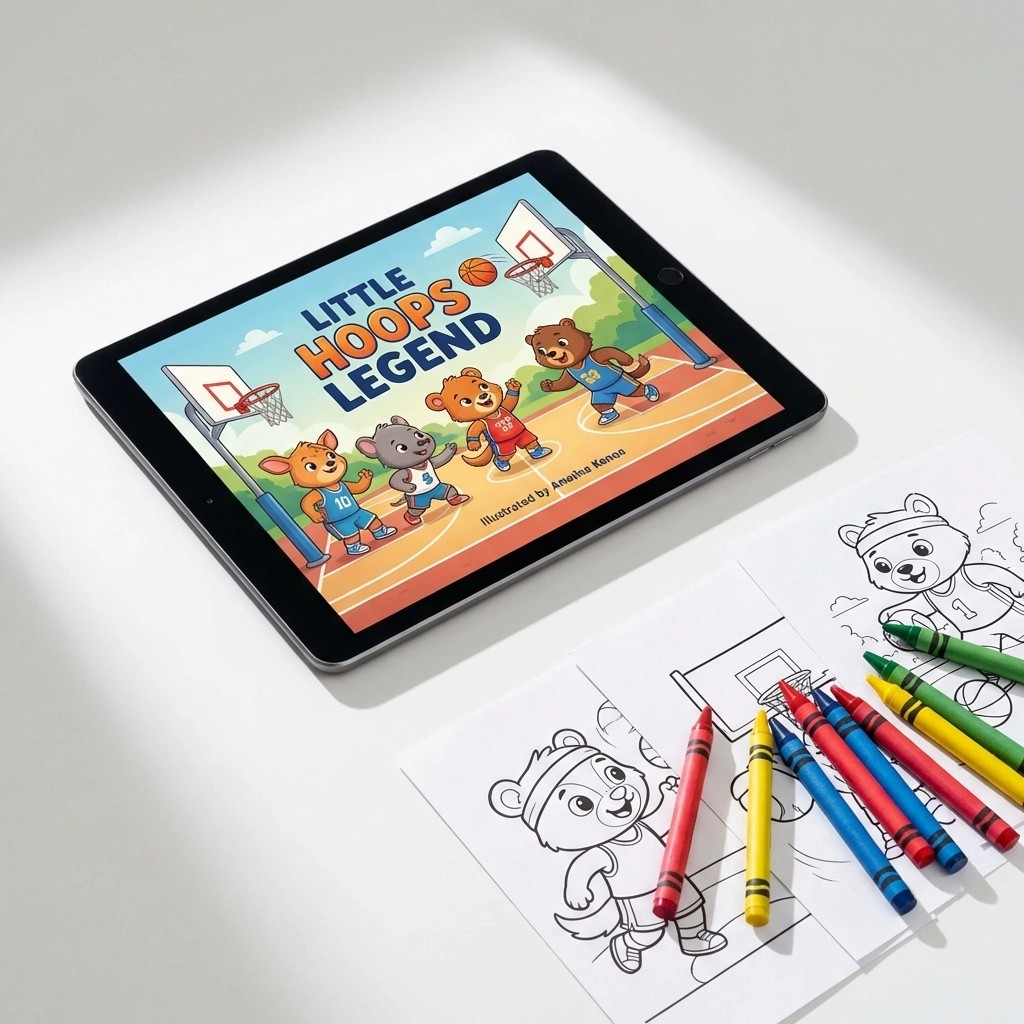
At Champion MVP, we believe that every child deserves to learn these lessons: not just during the Super Bowl, but every day. That's why we've created a platform where kids ages 3 to 7 can discover the fundamentals of sports through fun, confidence-building experiences that emphasize teamwork, safety, discipline, and self-belief.
The Big Game is exciting, but the real championship happens in the small moments: when your child learns to encourage a teammate, when they bounce back from a mistake, when they show kindness to an opponent.

These are the skills that create champions in sports and in life. And they start with parents like you who understand that what happens beyond the scoreboard matters most.
Your Game Day Sportsmanship Checklist
Make this Super Bowl your family's best teaching moment yet:
✅ Before the game: Discuss what good sportsmanship looks like
✅ During the game: Point out positive examples as they happen
✅ At halftime: Talk about respect and teamwork you've noticed
✅ After the game: Process the outcome together, win or lose
✅ Model it yourself: Show the behavior you want to see
✅ Celebrate effort: Praise the process, not just the result
✅ Make it fun: Keep conversations light and age-appropriate
The Super Bowl is more than a game: it's a classroom where millions of kids learn what it means to compete with character. Whether your family is decked out in NFL fan gear, throwing a watch party, or just enjoying quality time together, make sure the real lesson doesn't get lost in the excitement.
Because when we teach our kids to value respect, effort, and integrity as much as touchdowns and trophies, we're not just raising sports fans. We're raising champions.
Ready to keep the learning going beyond game day? Explore Champion MVP's digital sports library for year-round resources that teach your kids the fundamentals of sports through positive, confidence-building experiences. Where kids learn to be champions: on the field and in life.