

The Super Bowl is more than just the biggest game of the year, it's a living, breathing classroom for teaching your little ones about teamwork, sportsmanship, and what it really means to be part of something bigger than yourself. And here's the best part: you don't need to be a football expert to turn game day into a teachable moment that your kids will remember forever.
Before we dive in, check out this awesome video that breaks down the fundamentals of teamwork in sports:

Whether your family is decked out in official nfl gear, rocking your favorite team's colors, or just enjoying the halftime show and snacks, the Super Bowl offers incredible opportunities to teach young children (ages 3-7) lessons that will stick with them far beyond the final whistle.
Why the Super Bowl Is Perfect for Teaching Young Kids

Your preschooler or early elementary kiddo might not understand every penalty flag or complicated play, but they absolutely can grasp the core concepts that make championship teams successful. The Super Bowl showcases these principles in real-time, with high stakes and genuine emotion that even young children can sense and respond to.
At Champion MVP, we believe that early sports education builds confidence, character, and a foundation for lifelong learning. The Super Bowl gives parents a chance to introduce these concepts in an exciting, memorable way, no coaching certification required!
Every Player Has a Job (Even If They're Not Holding the Ball)
One of the most powerful lessons from the Super Bowl is that every single role matters. Watch the game together and point out players who aren't carrying the football. See those big guys blocking? They're protecting their teammates. Notice players running routes even when the ball doesn't come to them? They're pulling defenders away so their teammate can succeed.
For your 4-year-old, this translates perfectly to their world: "See how that player is helping even though he didn't get the ball? That's like when you help your friend in class even when the teacher doesn't see it. You're still being a champion!"
This concept fights against the "everyone wants to be the star" mentality that can develop early. When kids understand that blocking, supporting, and doing the "invisible" work is just as important as scoring, they learn humility and true teamwork.
Watch How Champions Celebrate Together

Pay attention to touchdown celebrations during the Super Bowl. The best moments aren't just about one player dancing, they're about the whole team rushing to celebrate together. Point this out to your little MVP: "Look! The player who scored is hugging the teammate who helped him get there. That's what real champions do!"
This teaches kids the difference between confidence and arrogance. Confidence says, "I did my best and we won together." Arrogance says, "I'm the only reason we won." When your child sees professional athletes giving credit to their teammates, it reinforces that success is sweeter when it's shared.
After the game, consider picking up some nfl team merchandise together, not as a reward for winning, but as a celebration of the teamwork you witnessed together. That jersey becomes a reminder of the lessons learned, not just a piece of nfl fan gear.
When Someone Makes a Mistake, the Team Lifts Them Up
Even in the Super Bowl, professional athletes drop passes, miss tackles, and make mistakes. What separates championship teams from everyone else? They don't panic. They don't point fingers. They regroup, communicate, and focus on the next play.
This is golden content for teaching emotional resilience to young children. When a player fumbles during the game, pause and talk about it: "Oops! He made a mistake. But watch, his teammates are helping him up and telling him it's okay. That's what teammates do!"
Connect it to their world: "Remember when you spilled your juice yesterday? Did mommy get mad, or did we clean it up together? That's being a team!"
The Super Bowl shows kids that mistakes don't define you, how you respond to them does. And responding with support, not blame, is what creates winning teams both on the field and in life.
Communication Is a Superpower

If you watch closely during the Super Bowl, you'll notice players constantly talking to each other, before plays, during timeouts, and even after the whistle. Championship teams have clear communication systems, and everyone knows their role because they've practiced together and talked through the plan.
For kids ages 3-7, this translates to: "See how the players are talking before the play starts? They're making sure everyone knows what to do. That's like when your coach tells you the plan before your game, or when we talk about the rules before we go to the playground."
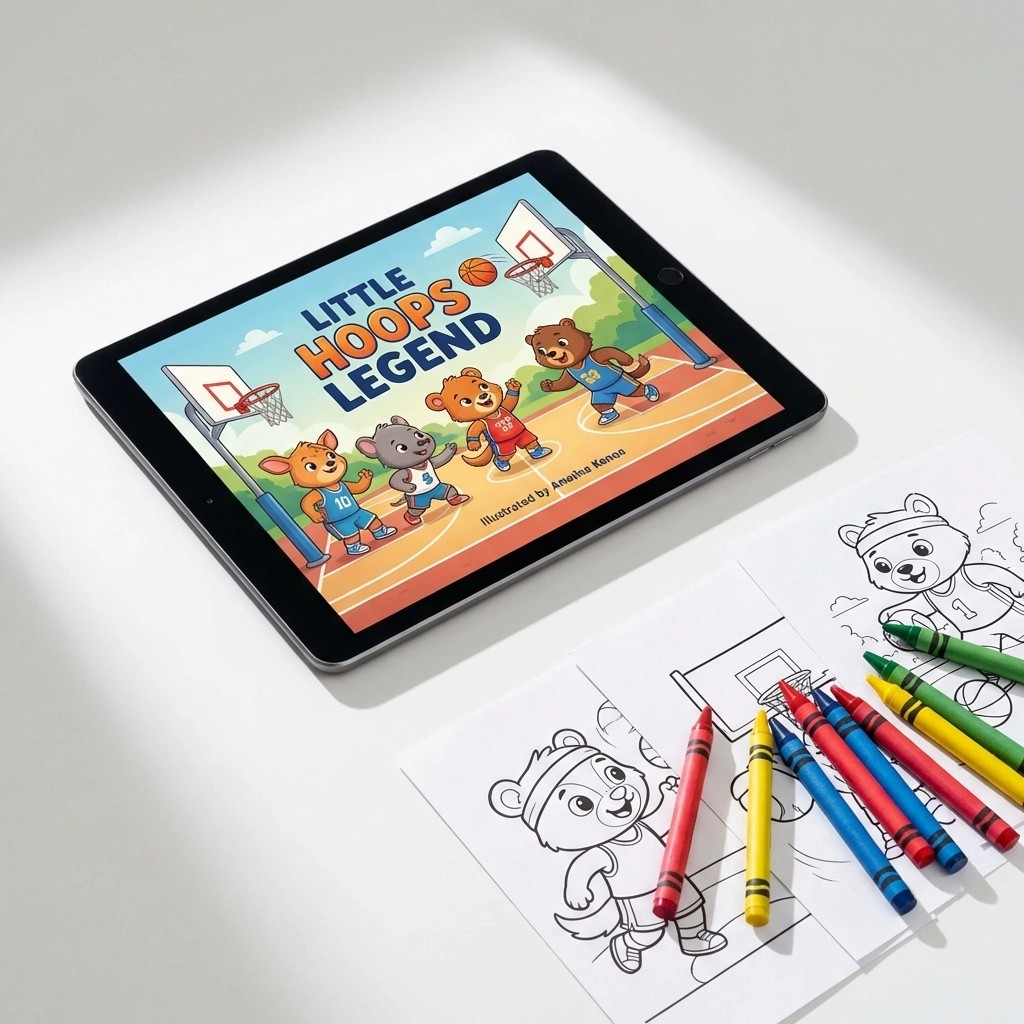
You can reinforce this lesson with our Champion MVP digital sports library, where kids learn sports fundamentals through stories and activities designed specifically for their age group. Communication, following directions, and understanding rules become second nature when they're taught in fun, age-appropriate ways.
Sometimes Winning Means Putting the Team First
One of the most mature concepts you can teach through the Super Bowl is sacrifice for the greater good. Watch for moments when a player makes a block that allows someone else to score, or when a quarterback hands off the ball instead of trying to be the hero.
"Did you see that? The player could have tried to score himself, but he gave the ball to his friend who had a better chance. That's called being a great teammate!"
This fights against the natural self-centeredness of early childhood (which is developmentally normal) and plants seeds of selflessness and team thinking. When kids understand that sometimes their job is to help someone else shine, they develop emotional intelligence and cooperation skills that will serve them forever.
Make It Interactive: Super Bowl Activities for Little MVPs
Don't just watch passively, turn the Super Bowl into an interactive learning experience! Here are some age-appropriate activities:
The Teamwork Treasure Hunt: Hide small toys or snacks around the room. Kids can only "score" by working together, one spots, one retrieves, one delivers to the "end zone."
Halftime Movement Break: During halftime, create simple football-inspired movements, "quarterback throw," "receiver catch," "touchdown dance." Make it silly and fun while reinforcing the positions you've been watching.
Cheer for Both Teams: This one's tough, but powerful. Encourage your child to cheer for good plays from both teams. "Wow, that was an amazing catch! Let's clap for that player even though he's not on our team." This teaches sportsmanship and respect for opponents.
Prediction Game: Before each play, ask your little one, "What do you think will happen?" It doesn't matter if they're right: you're teaching them to think ahead and pay attention.
After the game, extend the learning with printable activities and coloring books that reinforce these concepts. Our sports curriculum for early childhood programs uses the same approach: making learning active, engaging, and memorable.
The Real Win: Building Confidence Through Sports

Here's what we've learned at Champion MVP: early exposure to sports concepts: especially teamwork, following rules, and positive sportsmanship: builds confidence that extends far beyond the field. When a 5-year-old understands that they have value on a team even when they're not the star, they develop a healthy self-image and social skills that benefit them in school, friendships, and eventually, their careers.
The Super Bowl is a once-a-year opportunity to deliver these lessons with maximum impact. The excitement, the energy, the high stakes: it all makes the lessons stick in ways that everyday moments can't always match.
Gear Up for Success
If your family wants to really embrace the Super Bowl learning experience, consider investing in some official nfl gear for your little MVP. When kids wear their team colors, they feel part of something bigger. That jersey isn't just clothing: it's a uniform that reminds them they're part of a team, whether that's their family team, their preschool team, or their future sports team.
Browse nfl team merchandise together and talk about why people wear team colors: "We wear these to show we're part of the team, even though we're not playing on the field. We support them, cheer for them, and celebrate with them. That's what fans do!"
Beyond Game Day: Keep the Lessons Going
The Super Bowl is just the beginning. The concepts you teach during the big game can be reinforced year-round through sports stories, games, and activities designed for young learners. At Champion MVP, we've built an entire ecosystem around helping kids ages 3-7 learn confidence through sports: whether they ever play competitively or not.
Remember to check out the video we shared earlier for more insights on teaching teamwork:
The Super Bowl teaches us that winning happens when everyone works together, when every role is valued, and when the team comes before individual glory. These aren't just sports lessons: they're life lessons. And your living room on Super Bowl Sunday is the perfect classroom to start teaching them.
So grab your nfl fan gear, gather your little MVPs, and turn the biggest game of the year into a teaching moment they'll never forget. Because at Champion MVP, we know that every child has what it takes to be a champion: they just need the right coaching, the right support, and the right team behind them.
That team starts with you. Happy Super Bowl! 🏆